Emergency Generator Size Calculator
Calculate the appropriate emergency generator size for your backup power needs. Enter your critical power requirements below.
Essential Loads
Optional Loads
Emergency Settings
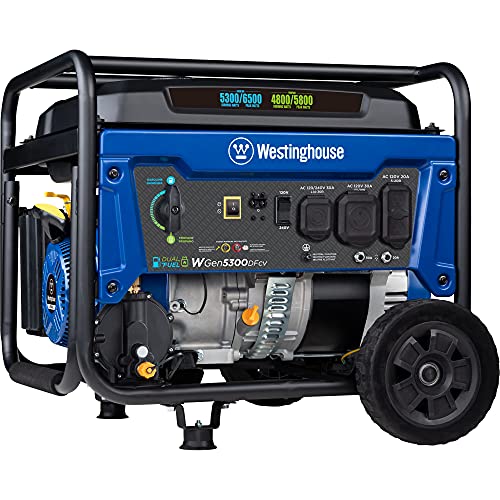
List of the Top 10 Best Emergency Generators:




How to Size an Emergency Generator: A Complete Professional Guide
Emergency generators are the last line of defense when the utility grid fails. Unlike standby generators sized for convenience, emergency generators must carry life-safety and legally required loads—fire alarms, emergency lighting, medical equipment, elevators, and critical communications—and must start reliably within seconds of an outage. Sizing an emergency generator correctly requires a disciplined analysis of essential versus optional loads, motor starting surges, runtime and fuel storage, redundancy, and strict code compliance. An undersized unit can fail to start or trip under load, putting lives at risk; an oversized unit wastes fuel and may run inefficiently at light load. This comprehensive guide, grounded in NFPA 110 practice and commercial power system design, walks you through every consideration. Use the Emergency Generator Size Calculator above for instant results, and pair it with the detailed guidance below for a code-compliant, reliable installation.
Understanding Emergency Power Requirements
Properly sizing an emergency generator begins with a clear classification of loads and backup scenarios:
- Load Classification:
- Essential loads: Critical systems that must remain operational—life safety equipment, medical devices, fire pumps, emergency lighting, and security systems. These are prioritized first in sizing.
- Optional loads: Non-critical systems that can be powered if capacity allows—HVAC comfort cooling, general office equipment, and convenience circuits. These are added only after essential loads are satisfied.
- Starting surge: Temporary power requirements during equipment startup. Motor-driven loads such as pumps, compressors, and elevators draw 3–6 times running power at startup, and this surge often governs generator size.
- Runtime Requirements:
- Determine how long you need backup power—typically 8–72 hours depending on the facility and outage history.
- Longer runtimes require larger fuel storage; on-site fuel capacity is often the limiting factor in extended outages.
- Consider fuel availability during emergencies—natural gas may fail during disasters, while diesel requires periodic testing and polishing.
For conversions between kW, kVA, and current as you inventory loads, use our kW to kVA Calculator, kVA to kW Calculator, Amps to kW Calculator, and kW to Amps Calculator. If your equipment is rated in horsepower, the HP to kW Calculator and HP to kVA Calculator bridge mechanical and electrical ratings.
Common Emergency Applications and Size Ranges
Emergency generator requirements vary widely by facility type and the loads designated as legally required or life-safety:
| Application Type | Typical Essential Loads | Recommended Size Range |
|---|---|---|
| Residential | Refrigeration, Sump Pump, Basic Lighting | 5-20 kW |
| Healthcare | Life Support, Medical Equipment, Emergency Lighting | 50-500 kW |
| Commercial | Security Systems, Emergency Lighting, Elevators | 20-200 kW |
| Data Centers | Servers, Cooling Systems, UPS | 100-2000 kW |
For residential backup, the Whole House Generator Sizing Calculator and the main Generator Size Calculator provide a good starting point. For commercial and industrial emergency systems, see the Commercial Generator Size Calculator, Three Phase Generator Size Calculator, and Diesel Generator Size Calculator.
Common Emergency Equipment Power Requirements
The table below summarizes typical running and starting power for common emergency loads. Values vary by manufacturer and model; always use nameplate data for final sizing.
| Equipment Type | Running Power (kW) | Starting Power (kW) |
|---|---|---|
| Residential Refrigerator | 0.7 | 2.2 |
| Sump Pump (1/2 HP) | 0.4 | 1.2 |
| Medical Ventilator | 0.3 | 0.5 |
| Emergency Lighting (per fixture) | 0.02 | 0.02 |
| Elevator (15 HP) | 11.2 | 33.6 |
For motor-related conversions, see the HP to Amps Calculator and Amps to HP Calculator. For HVAC equipment rated in BTU/hr, the BTU to kW Calculator and kW to BTU Calculator convert thermal capacity to electrical load.
Important Emergency Sizing Considerations
1. Critical Load Prioritization
Identify what must remain powered during an outage, and classify each load according to code requirements:
- Life safety systems: Fire alarms, emergency lighting, fire pumps, and smoke control systems—often classified as emergency loads under NEC Article 700.
- Medical equipment: Hospitals, nursing homes, and clinics must maintain life-support and critical care equipment; NEC Article 517 and NFPA 99 apply.
- Building infrastructure: Elevators, sump pumps, water pressure systems, and security systems—often classified as legally required standby loads under NEC Article 701.
- Communication systems: Phone systems, network infrastructure, and emergency communications that support coordination during outages.
For generator sizing methodology that prioritizes essential loads, see the Standby Generator Size Calculator and the Generator Sizing Charts.
2. Fuel Considerations and Runtime Planning
Emergency generators require reliable fuel sources and sufficient storage for the expected outage duration:
- Diesel: Most common for emergency systems; requires on-site storage, periodic testing, and fuel polishing to prevent degradation. NFPA 110 requires a minimum of 2 hours of fuel at full load for Level 1 systems in many jurisdictions, though 8+ hours is common practice.
- Natural gas: Continuous supply eliminates on-site storage but may fail during disasters (earthquakes, floods) and may have pressure or capacity limits during peak demand.
- Propane: Clean-burning alternative with long shelf life; requires on-site storage tanks and delivery planning. For runtime estimates, see the Propane Generator Runtime Calculator.
- Dual-fuel capability: Provides flexibility for critical applications, allowing operation on either diesel or gas depending on availability.
To estimate fuel consumption and runtime at expected load, use the Generator Fuel Consumption Calculator and Generator Runtime Calculator.
3. Regulatory Requirements and Code Compliance
Emergency generators are among the most heavily regulated electrical installations. Key requirements include:
- NFPA 110: Standard for Emergency and Standby Power Systems—governs installation, testing, maintenance, and classification (Level 1 vs. Level 2). Level 1 systems must start and carry load within 10 seconds and are subject to monthly testing.
- NEC Articles 700, 701, 702: Cover emergency systems, legally required standby systems, and optional standby systems, respectively—each with distinct requirements for transfer switches, wiring, and load classification.
- Local building codes: Adopted codes may impose additional requirements for high-rise buildings, healthcare facilities, and assembly occupancies.
- EPA emissions regulations: Tier 4 Final (US) and Stage V (EU) standards apply to non-road engines, potentially requiring aftertreatment systems.
- Life safety requirements: Hospitals, high-rises, and other occupancies have specific requirements for redundancy, fuel duration, and testing documentation.
4. Redundancy and Reliability
For critical facilities, redundancy configurations such as N+1 or 2N ensure continuous operation during maintenance or generator failure. N+1 provides one spare generator beyond the load requirement; 2N fully duplicates the system. Redundancy requires paralleling gear, automatic transfer switches, and coordinated controls, and it significantly increases capital and maintenance costs—but is often mandatory for hospitals, data centers, and life-safety systems. See the Commercial Generator Size Calculator and Diesel Generator Size Calculator for redundancy-aware sizing.
5. Motor Starting and Load Sequencing
Emergency loads often include motor-driven equipment—fire pumps, elevators, and HVAC—whose starting surges can cause voltage dips that affect other critical loads. Mitigation strategies include sequential starting, soft starters, VFDs, and careful generator sizing. For three-phase emergency systems, see the Three Phase Generator Size Calculator.
Emergency vs. Standby Generators
The terms are often used interchangeably, but there are important distinctions:
- Emergency generators: Serve life-safety systems and must meet NEC Article 700 and NFPA 110 Level 1 requirements—starting and carrying load within 10 seconds, with monthly testing and documented maintenance.
- Legally required standby: Serve loads required by code (e.g., elevators, ventilation) but not life safety; requirements are somewhat less stringent under NEC Article 701.
- Optional standby: Serve convenience loads chosen by the owner; requirements are the least stringent under NEC Article 702.
For a broader treatment of standby sizing, see the Standby Generator Size Calculator and Whole House Generator Sizing Calculator.
Frequently Asked Questions (Expert Answers)
What's the difference between emergency and standby generators?
Emergency generators are for life-safety systems and must start within 10 seconds per NFPA 110, with monthly testing and strict documentation. Standby generators are for convenience and legally required loads and typically start within 30–60 seconds. Emergency systems have stricter maintenance and testing requirements. For standby sizing guidance, see the Standby Generator Size Calculator.
How often should I test my emergency generator?
NFPA 110 requires monthly testing under load for at least 30 minutes for Level 1 systems, plus annual load bank testing (typically 4 hours at rated load). Always follow manufacturer recommendations and local regulations for your specific application, and document all tests for compliance. Testing ensures the generator will perform when needed and identifies issues before an actual outage.
How much fuel storage do I need for emergency power?
NFPA 110 requires a minimum of 2 hours of fuel at full load for Level 1 systems in many jurisdictions, though 8 hours is common practice and 24–72 hours is typical for critical facilities. Calculate based on your generator's consumption rate at expected load and required runtime. Use the Generator Fuel Consumption Calculator and Generator Runtime Calculator to estimate fuel needs.
Should I size for all loads or just essential loads?
Size for essential loads first, then consider optional loads if budget allows. For critical facilities, include all life-safety and legally required loads plus a safety margin of 10–25%. Oversizing for optional loads increases capital cost and reduces efficiency, while undersizing risks failure during an outage. Document your load prioritization for code compliance and future expansion.
How do I account for generator efficiency?
Most generators operate at 80–90% efficiency under optimal load (typically 50–75% of rated capacity). Oversizing can reduce efficiency because light loads cause incomplete combustion (wet stacking) and poor fuel economy. Our calculator includes typical efficiency factors in its recommendations. For best results, select a generator that operates at 50–75% load during typical outages.
What maintenance does an emergency generator require?
Regular maintenance includes oil and filter changes, coolant checks, battery testing and replacement, fuel system inspection, and load bank testing. Follow manufacturer schedules and document all maintenance for compliance purposes. NFPA 110 requires documented maintenance and testing records, and many jurisdictions inspect these records during annual permits.
How do I size an emergency generator for a hospital?
Hospitals require sizing for life-safety, critical, and equipment loads per NFPA 99 and NFPA 110. Essential loads include life support, operating rooms, medical gas systems, and emergency lighting; critical loads include ICU and other patient care areas. Redundancy (N+1) and 24–72 hours of fuel storage are often required. See the Commercial Generator Size Calculator and Diesel Generator Size Calculator for guidance.
Where can I find related conversion and sizing tools?
GeneratorCalculator.net offers a full suite, including the Portable Generator Size Calculator, RV Generator Size Calculator, Solar Generator Size Calculator, and Portable Power Station Size Calculator. For fuel planning, see the Propane Generator Runtime Calculator. For electrical conversions, explore Generator Size Calculator by Amps, Amps to HP Calculator, and BTU to kW Calculator.
By prioritizing essential loads, accounting for motor starting surges, planning fuel storage for the required runtime, and complying with NFPA 110 and NEC requirements, you can specify an emergency generator that delivers reliable power when it matters most. Always validate final sizing with a licensed electrical engineer and confirm compliance with local codes and inspection requirements.